

Hotel Saski Kraków in the “Wide Open for Sustainable Meetings” series
Hotel Saski has been an important landmark on Kraków’s cultural and social map since the beginning of the 19th century. Today, it successfully combines its rich heritage with a modern approach to management and event organization. Once a venue for distinguished artists, concerts and grand balls, it now operates as the first hotel in Poland under the Curio Collection by Hilton brand, offering the highest standards of service while preserving its unique, historic character.
The hotel is not only an accommodation and conference venue, but also a place of conscious commitment to the environment and the local community. Its daily operations incorporate ecological considerations, foster a responsible organizational culture, invest in employee development, and actively engage in social initiatives and CSR activities.
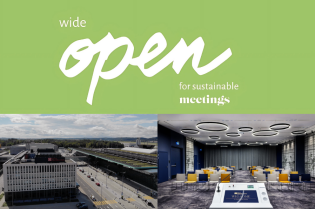
As part of the “Wide Open for Sustainable Meetings” series, Andrzej Berłowski, Commercial Manager, explains how heritage can go hand in hand with sustainable development.
What sustainability initiatives aligned with the Sustainable Development Goals have been implemented or are planned at your company?
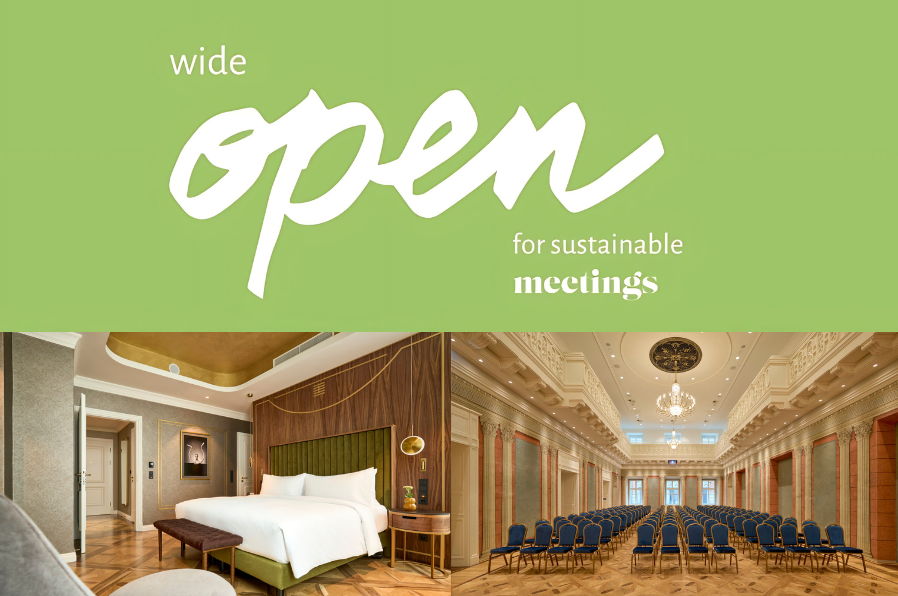
Hotel Saski offers 117 rooms, each one unique, as well as a total of 317 m² of conference and banquet space, including the legendary Saski Hall, formerly a grand ballroom. The hotel underwent a full renovation and reopened under the Curio Collection by Hilton brand in 2022. From the very early design stage, modern, energy‑efficient solutions were incorporated.
Thanks to full automation of ventilation and air‑conditioning systems, as well as intelligent LED lighting equipped with motion sensors, we optimize energy consumption without compromising guest comfort. In addition, the use of high‑performance water aerators throughout the hotel significantly reduces water usage. We also provide specially designed, comfortable rooms fully adapted for guests with reduced mobility.
A true hidden gem of our hotel is Saski SPA. It features a large chlorine‑free swimming pool, dry and steam saunas, and a wide range of treatments, including signature symphonic rituals that combine music, color, scent and touch. This area also benefits from advanced technological solutions, such as filtration pumps operating according to occupancy levels and automated water attractions and hydromassage systems.
Out of concern for the environment, from the moment of opening four years ago we have focused on eliminating unnecessary plastic. In both guest rooms and public areas, single‑use cosmetics and plastic bottled water have been replaced with more sustainable alternatives. Our approach to sustainability is further reinforced by strict waste segregation, specialized disposal of electronic waste and batteries, and attention to detail – such as eco‑friendly laundry bags provided to guests.
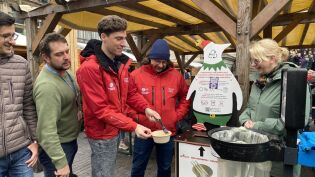
We also participated in an experimental “Coffee Grounds Path” project, donating spent coffee grounds to the city to help treat slippery surfaces. During events, menus based on locally sourced ingredients are customized to meet the specific needs of each client. Thanks to precise planning, we strive to operate in line with zero‑waste principles.
Equally important are initiatives aimed directly at our employees. Hilton has earned the title of #1 World’s Best Workplace (according to the Great Place To Work® Institute), which serves as both an inspiration and a commitment for us to maintain the highest standards. We believe our team’s greatest strength lies in its diversity.
We implement a recruitment strategy based on DEI principles (Diversity, Equity, Inclusion), creating an open workplace for everyone regardless of age, gender, background or beliefs. Our team currently includes employees from six different countries. We focus on equal development opportunities (Equity) and on building an inclusive culture (Inclusion) where every employee feels respected, valued, and has a real impact on success. We are particularly proud that employees with Down syndrome are part of our team, co‑creating a new chapter in the hotel’s history and proving every day that passion for work knows no barriers.
Employees can benefit from flexible working schedules, Multisport cards, private medical care and meals, as well as more global benefits such as access to platforms offering psychological and legal support. Through the global WellFit platform, our team members gain access to advanced tools supporting wellbeing, mental health and personal development, as well as language‑learning programs available to all employees.
Being part of the Hilton network opens many doors and offers diverse career paths worldwide. An exchange program is also in place, which has enabled our employees to gain valuable experience at hotels in Portugal, the Netherlands, Kazakhstan and the Czech Republic. A key foundation of development is also Hilton University – a comprehensive internal online education system designed to continually enhance skills at every level of the organization.
Collaboration with suppliers is another crucial element of our sustainability approach. In our kitchen, we prioritize authenticity and the highest quality. We source products from local suppliers, including free‑range eggs, honey from selected apiaries, and carefully chosen Polish beef and lamb. Our menu is complemented by a rich selection of local wines and a wide variety of vegan and vegetarian dishes, available not only in the restaurant but also within our banquet and conference offerings.
Breakfast at our hotel highlights local flavors, and we serve certified coffee. Particular attention should be given to our outstanding tasting menu. It is a tribute to traditional Polish cuisine, thoughtfully combined with modern international influences. These creative culinary interpretations delight even the most demanding guests. Regale Bar & Restaurant has been awarded two toques in the prestigious Gault & Millau Poland guide.
It is also worth mentioning that we implement Hilton’s global “Travel with Purpose” strategy, which sets measurable goals related to waste reduction and support for local communities. This strategy benefits employees, hotels and communities alike, while also supporting our business objectives. We use monitoring systems such as LightStay, which enable precise measurement of energy and water consumption, waste generation and CO₂ emissions – a key factor, for example, in calculating carbon footprints. At our hotel, the coherence of ESG activities is overseen by the Travel with Purpose Champion, Joanna Śmiertka. We uphold high ESG standards not only in our restaurant and event operations, but also internally within our team. Soon, we will launch the “Wege Week” initiative, during which exclusively vegetarian meals will be served to employees for an entire week.
Which initiatives are your own original ideas, and which stem from company policy?
As part of the Hilton network, we receive global ESG guidelines in the form of best‑practice frameworks and mandatory requirements. At the same time, local initiative is highly valued and strongly encouraged. This approach is reflected in the numerous awards our hotel has received, including the prestigious Connie Award 2023, which recognized us as the Best Curio Collection by Hilton hotel in the EMEA region. We are currently nominated once again for the World Travel Awards 2026 – in as many as four categories. These achievements are the result of collective effort and our ambition to exceed the brand’s baseline standards.
We also pursue our mission through a wide range of local initiatives. We actively support the education of future hospitality professionals by cooperating with hotel schools and offering professional internships for young talents. We are deeply engaged in the local community – from regular support for the Great Orchestra of Christmas Charity (WOŚP), clothing collections and blood‑donation drives organized within the hotel, to helping children from orphanages learn English.
A special place in our hearts is reserved for our cooperation with the Tęcza Society, as well as our support for the Emaus community and the organization of holiday meals for residents of social care homes. We have also welcomed local tour guides and senior citizen groups, sharing the history of our hotel with them. Every year, we take part in the Business Run and many other charitable and community initiatives.
From an employee‑focused perspective, we place great emphasis on team integration and strengthening internal relationships, for example by celebrating shared successes, birthdays, and exchanging travel recommendations. Our HR department ensures that everyday work life is filled with positive energy. We also enjoy celebrating more unusual occasions, such as International PET Day or Potato Day, which have become joyful traditions within our team.
You hold ISO 14001, ISO 50001 and ISO 9001 certifications. Why did you decide to pursue these certifications? What does the process look like? What surprised you the most during it? Are you considering obtaining Green Key or LEED certification?
To ensure independent verification of operational quality across our properties, Hilton certifies its hotels in accordance with ISO standards. Our ISO 14001 (Environmental Management), ISO 50001 (Energy Management) and ISO 9001 (Quality Management) certifications are audited annually by an external, independent body.
This is not all. In the prestigious Fair360 ranking, Hilton was ranked first among companies most effectively implementing ESG strategies, and fourth in the philanthropy category. The brand also sets benchmarks in the area of inclusivity, remaining the only representative of the hospitality industry on the Fair360 Supplier Diversity list. These efforts were further recognized with the Best Brand for Social Impact 2024 title awarded by Forbes, highlighting the brand’s tangible and measurable impact on social change.
All of this translates directly into the day‑to‑day operations of each individual property. It is important to emphasize that ESG strategy within our organizational structure is not the responsibility of a single specialist. Accountability for its implementation lies with every team member, regardless of role or position. Each employee undergoes mandatory training that not only helps them fully understand Hilton’s mission, but also equips them with practical tools to respond in critical situations – including the ability to recognize and report risks related to human trafficking.
Do your clients expect sustainable solutions and/or certifications from your company?
Absolutely. Already at the inquiry stage, clients frequently ask about pro‑environmental solutions and our ESG policy. This is particularly important for organizers of larger corporate groups, for whom sustainability is often one of the key criteria in the decision‑making process. We emphasize these solutions and openly communicate them from the very first contact.
Event planners are most often interested in assessing the carbon footprint of an event or ensuring a positive impact on the local market. Charitable initiatives supporting local foundations, for example children’s homes, are also becoming increasingly popular. One specific example was a banquet whose organizer donated part of the prepared menu to a dedicated food bank that, at the time, was particularly focused on supporting refugees from Ukraine.
What trends in event and meeting organization have you observed recently?
Our clients are increasingly focused on quality and experience. Our team‑building offers are gaining popularity, as shared experiences – such as participating in creative workshops or taking home and tasting what has been created together – strengthen team relationships. Unique evenings that combine collaboration and experience leave a lasting impression, such as solving clues as part of our proprietary “Saski Crime Story”, wine‑and‑painting sessions, or mocktail‑making workshops.
In today’s fast‑paced and constantly changing world, there is also growing interest in our wellness offerings. SPA services are becoming a must‑have for business groups that value relaxation and mental reset. For overstimulated guests, we offer additional unique experiences such as signature SPA rituals, LED light therapy, and floating sound baths. The harmony of sound and mindful breathing allows for deep relaxation while gently floating on a mattress.
Another strong element of our offer that responds directly to guest expectations is high‑quality, organic catering. Groups increasingly choose fit menus with a reduced amount of animal products or show strong interest in alcohol‑free options.
Where do you draw your knowledge and inspiration when it comes to organizing sustainable meetings?
We actively participate in international trade fairs and industry events, which often combine business networking with a valuable educational component. As part of the Hilton network, we benefit from internal programs and previously mentioned global ESG guidelines, as well as the NOW Newsletter and Hilton’s internal communication channels that connect teams from around the world. These platforms ensure a continuous flow of knowledge, inspiration and the latest trends across the brand’s properties.
Our presence on the local market is equally important to us. We build long‑term relationships and exchange experiences, also embracing the spirit of coopetition – cooperation and know‑how sharing, even with competitors. We strive to take part in local meetings and networking initiatives, particularly those bringing together stakeholders from the tourism and MICE sectors.
A key element of our strategy is the systematic collection of feedback from guests, event organizers and groups. This allows us to continuously refine our offer and precisely respond to the evolving needs and expectations of our clients.
Finally, it is worth highlighting one more important aspect of our activity – preserving the legend and legacy of Hotel Saski.
This is a truly exceptional place, and great care has been taken to ensure that every detail is treated with respect. With a history spanning more than 200 years, Hotel Saski was regarded as the most modern hotel in Kraków in the first half of the 19th century.
The hotel’s original founder, Maciej Knotz, a Hungarian entrepreneur and wine merchant, provided guests with an impressive wine cellar featuring the finest bottles available at the time from Hungary and Austria. It was also the first place in Kraków to popularize the game of billiards.
At the entrance from Sławkowska Street, guests can admire a historic elevator from 1910, custom‑made and imported from Vienna, which at the time was considered one of the most impressive elevators in Europe.
The Saski Hall was among the most distinguished ballroom venues of the 19th and 20th centuries. Thanks to the meticulous work of conservation specialists, its original 19th‑century polychrome decorations were restored to their former splendor during the most recent renovation. This is a space steeped in history – it was here that Józef Dietl, the first President of Kraków, was elected, and where concerts were performed by masters such as Brahms, Liszt and Paderewski.
The hall’s rich musical heritage inspired the interior design of the hotel. In the lobby and guest rooms, one can find furniture subtly referencing musical instruments, as well as music‑themed photographs by Ryszard Horowitz.
The carpet patterns adorning the corridors and guest rooms were inspired by a fragment of fabric discovered during the renovation – most likely a liturgical garment dating back to the period when the “Na Żłóbku” church once stood on this site. During restoration works in the former Knotz Hall, the removal of plaster revealed one of the building’s best‑preserved spaces featuring a barrel‑vaulted ceiling.
We share these stories with our guests and strive to ensure that the hotel continues to live through music. Residents of Kraków are also welcome to enjoy these unique spaces – whether in Regale Restaurant, which frequently hosts live performances, or during concerts held in the Saski Hall, organized in cooperation with Sinfonietta Cracovia, the Kraków Philharmonic, and as part of a newly launched series of candlelit symphonic concerts.